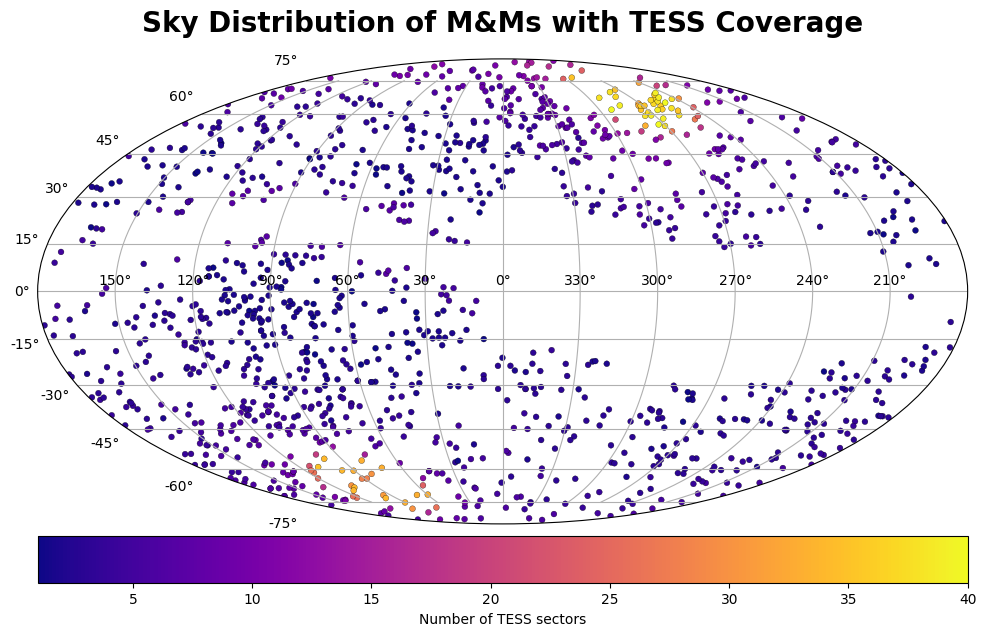
A Catalog of M & M Eclipsing Binaries with TESS
Identified ~1,300 M-dwarf eclipsing binaries across the sky, characterizing their orbital periods, eclipse times, radii, masses, temperatures, and population-level eccentricity distributions.
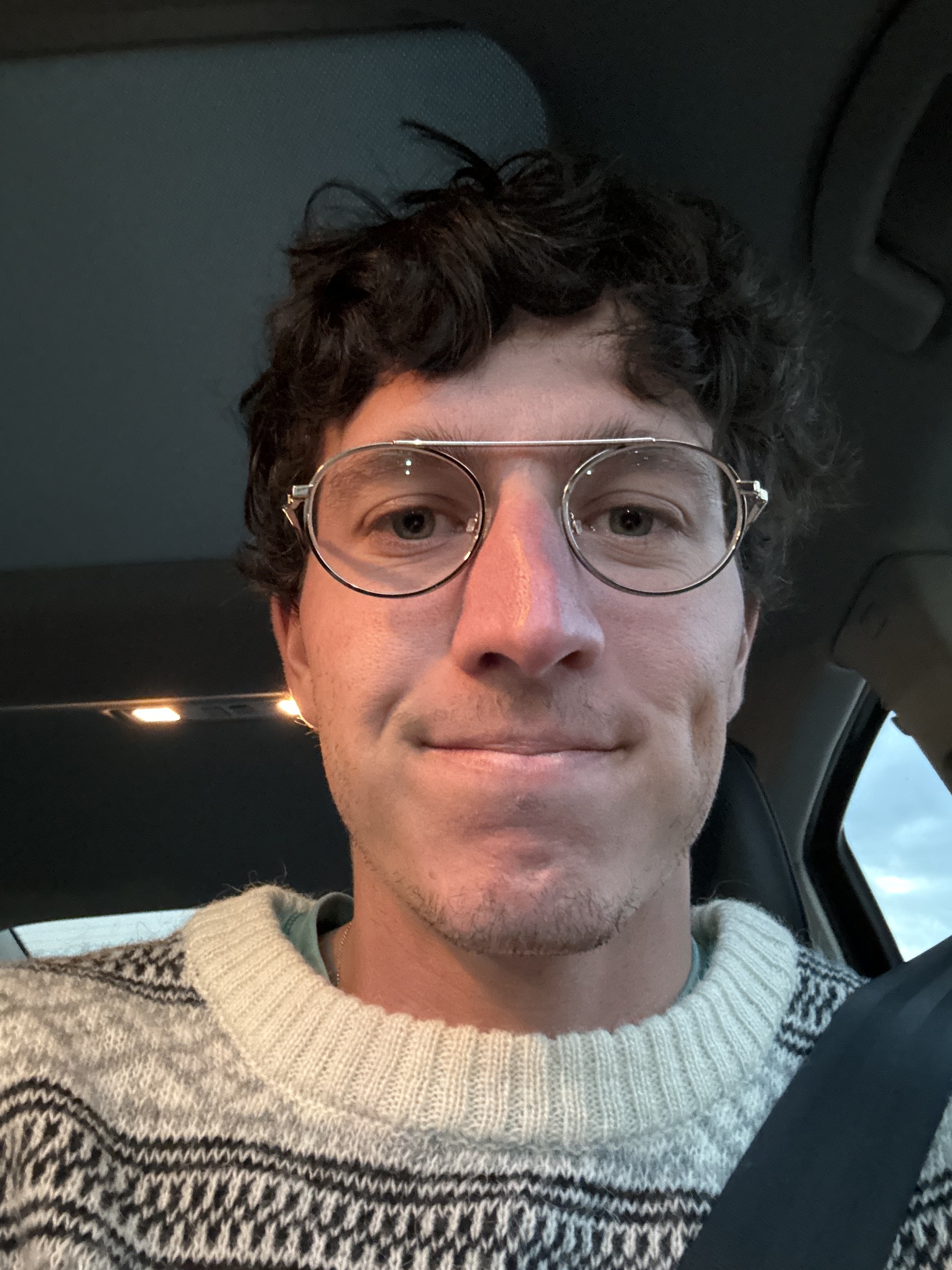
Recently-graduated PhD from the University of New Mexico, mapping the demographics of M dwarf-M dwarf (M & Ms) eclipsing binaries and hunting for planets in these systems with TESS. 2023–2026 NASA FINESST Awardee.
I grew up near Cleveland, Ohio, where a childhood passion for Science Olympiad grew into a lifelong love of science. I'm fascinated by the opportunity to study what else is beyond our own Solar System, which can help us understand our own context by comparison.
I completed my B.S. at Case Western Reserve University in 2020 and have recently defended my PhD at the University of New Mexico, studying transiting exoplanets with a focus on circumbinary planets. Outside the office I'm a cat dad to Chini, an avid runner and hiker, a baker, and a proud jazz and D&D nerd.
Thanks to: Lori Cohen, Amy Roediger, Tom Ramsey, Victor Senn, Mark Harker, Ben Monreal, Don Figer, John Ruhl, Gary Chottiner, Chris Mihos, Stacy McGaugh, Diana Dragomir (*PhD advisor), and many more friends, colleagues, teachers, and mentors.
Photometric comparisons, M-dwarf binaries, and circumbinary planets through the lens of TESS.
Identified ~1,300 M-dwarf eclipsing binaries across the sky, characterizing their orbital periods, eclipse times, radii, masses, temperatures, and population-level eccentricity distributions.
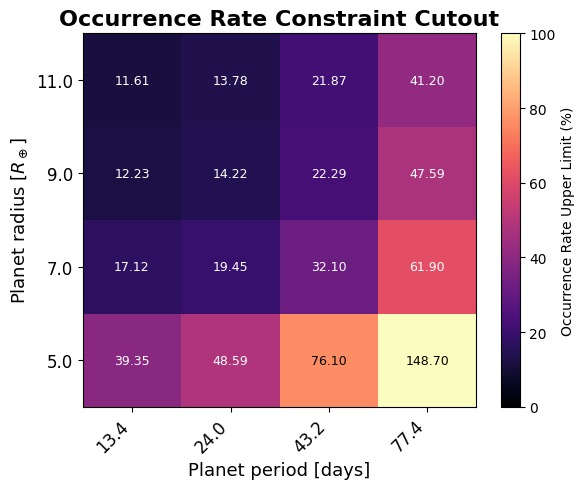
The first TESS-based occurrence constraint for CBPs, and the first-ever for M &Ms. This has implications for the robustness of planet formation in the low-mass, tight binary context.
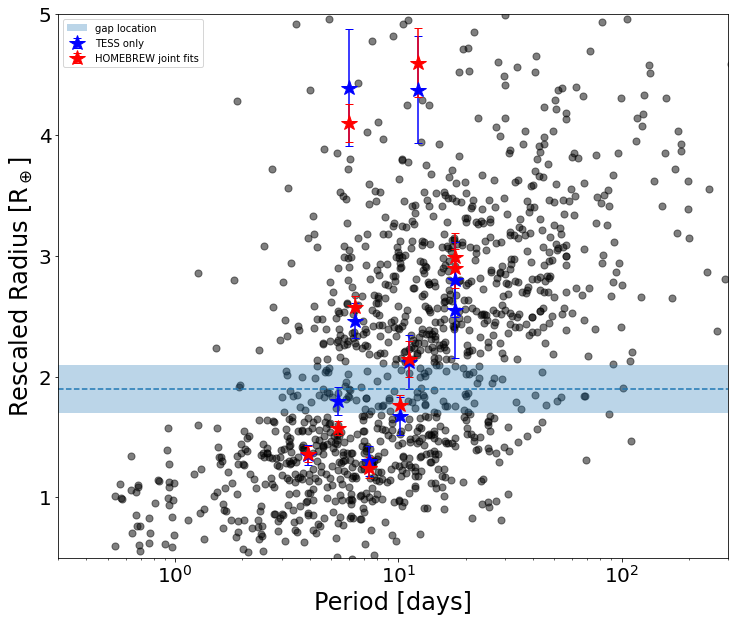
Analyzed 10 planets observed by both TESS and ESA's CHEOPS mission as a comparison of the relative photometric performance of the two space missions.
Science and society don't exist separately from one another. Here's where I show up outside research.
Graduate workers have been overworked and undervalued for too long. For nearly my entire graduate career, I was involved with UNM Graduate Workers in several capacities, including as a co-lead negotiator for the Spring 2024 raise and as Director of Organizing in the 2024-2025 AY.
The Peer Undergraduate Mentorship Program in UNM Physics & Astronomy pairs grad students with undergrads navigating the same journey we were on just a few years ago. It sharpens mentorship skills on both sides and strengthens the department as a whole.
I've been honing my skills as a web developer to create an alternative to social media. Data-hungry corporations use our attention for profit, so many folks (myself included) want to get off social media, but there's real benefit to being connected and knowing what's happening. Check out the site (and please post!)
Case Western Reserve University
CWRU — exoplanet yield modeling (WAET concept)
University of New Mexico
Advisor: Dr. Diana Dragomir
University of New Mexico
Circumbinary planet occurrence rates with TESS
Whether you have a science question, a collaboration idea, or just want to chat circumbinary planets — reach out.
Primary email: doddo@unm.edu
Personal email: domoddo15@gmail.com
Department: UNM Physics & Astronomy, Albuquerque, NM